
Building Confidence Through Movement How Physical Activity Shapes Your Child's Self-Esteem

Confidence is not something children receive just from praise or compliments. It grows through experience, facing challenges, and learning new skills. Movement plays a crucial role in this process, helping children develop confidence that goes far beyond sports or physical activity.
This post explores how physical activity builds competence, encourages growth, and shapes a child’s self-esteem in many areas of life.

Movement Builds Competence
Children gain confidence when they learn new physical skills. Simple movements like running, jumping, balancing, and throwing are foundational. When kids practice these skills, they discover that effort leads to improvement. This repeated success, even if not perfect, helps build a sense of competence.
For example, a child who learns to catch a ball after several tries feels proud of their progress. This feeling of accomplishment encourages them to keep trying new movements. It’s important to remember that confidence grows from small wins, not from being perfect right away.
Called to Play supports this through our Homeschool P.E. program called Movement Foundations. We focus on motor skill development and sports fundamentals for kids providing structured ways to build these skills. When children see their own progress, their confidence naturally increases.
Challenges Create Growth
Every new movement or skill presents a chance to overcome fear or uncertainty. When children face challenges, such as learning to ride a bike or swim, they develop resilience by continuing to try after mistakes. This process teaches them that failure is part of learning.
Small victories, like successfully climbing a set of monkey bars or completing a simple obstacle course, create lasting confidence. These moments show children they can handle challenges and improve with practice.
Youth athletic development programs often emphasize this growth mindset. They encourage kids to focus on effort and progress rather than just winning. This approach helps children build confidence that lasts beyond the sports field.
Confidence Extends Beyond Sports
Physical confidence often carries into other parts of a child’s life. When children feel capable moving their bodies, they are more willing to:
Participate in group activities
Try new hobbies
Speak up in class or social settings
Face new challenges with a positive attitude
Movement helps develop a growth mindset, where children understand that skills and abilities can improve with effort. This mindset supports confidence in school, friendships, and personal interests.
For example, a child who feels confident in their physical abilities may be more likely to join a play, volunteer for a team project, or try a new art class. This connection between physical activity and overall self-esteem highlights the importance of encouraging kids to stay active.
The Power of Positive Coaching
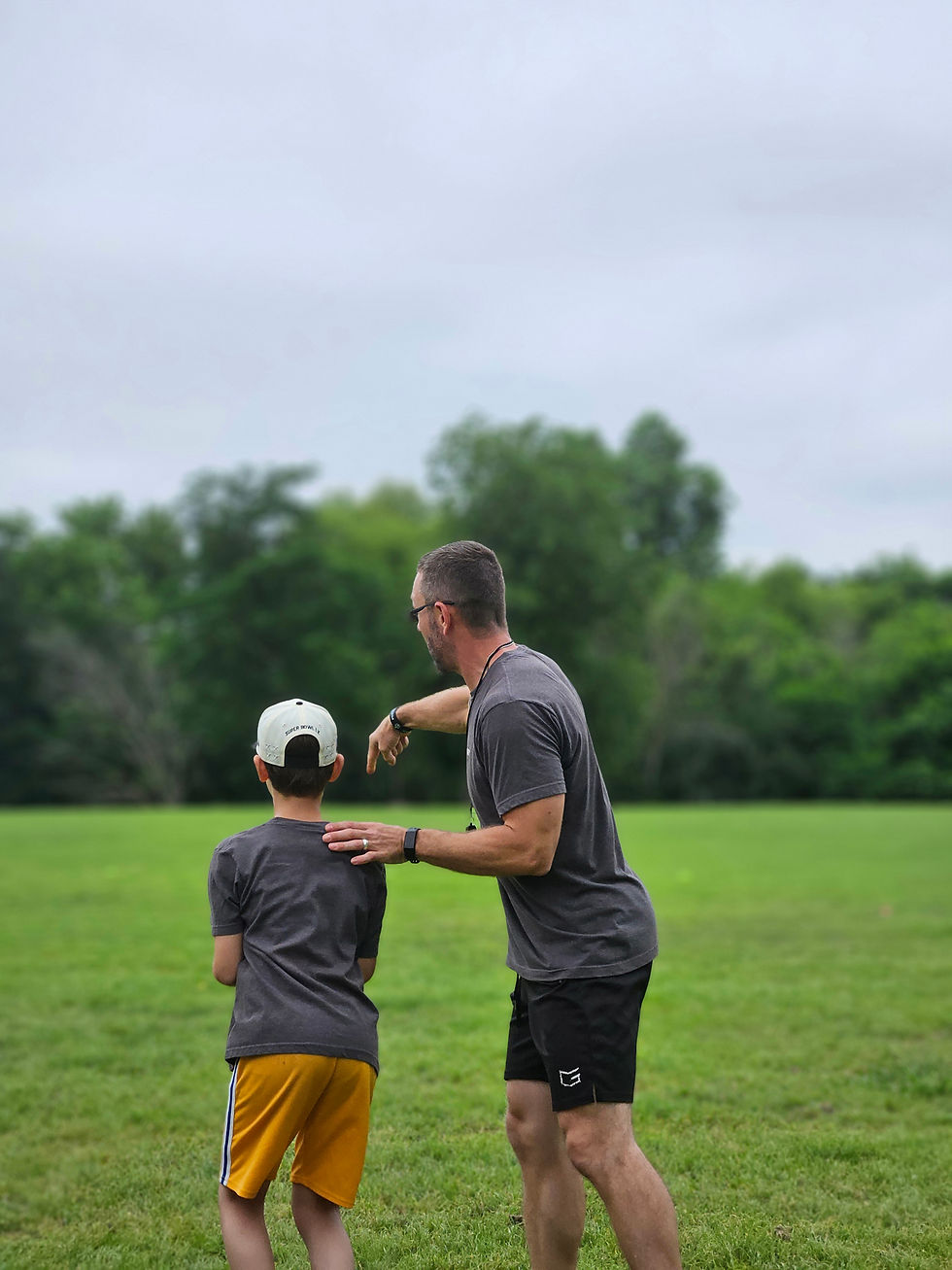
Encouragement is important, but clear instruction matters even more. Children become confident when they understand what to do and experience success through intentional coaching. Positive feedback combined with structured learning creates a safe environment for growth.
For example, a coach or parent who breaks down a skill into manageable steps helps children feel less overwhelmed. Praising effort and progress rather than just results encourages kids to keep trying. This approach builds trust and motivation.
In all of our programs we focus on positive coaching to help children develop. Whether it's movement patterns, sports fundamentals or speed training for youth athletes, our goal is to help them grow through success and failure. This also supports their emotional growth by showing them that mistakes are part of learning, not something to fear.
Why Early Movement Matters
Early exposure to movement develops coordination, body awareness, and athletic foundations. Children who stay active from a young age are more likely to maintain healthy habits as they grow. This early start supports both physical and emotional well-being.
For example, toddlers who practice crawling, walking, and climbing build the motor skills needed for more complex activities later. These early experiences set the stage for confidence in adolescent years and help create lifetime health and fitness habits.
Parents can encourage early movement by providing safe spaces for play and exploration. Building confidence through movement is our primary goal at Called to Play and we focus creating that environment throughout all of our programs.


Comments